3 hr
Chinatown Culinary Walking Tour
- Expert local guide
- Small group
- Skip-the-line access
- Free cancellation
Walking Food Tour San Francisco — Neighborhood Culinary Routes
Taste your way through historic districts, one block at a time
Compare fares, pick the fit — all bookings are mobile-voucher and eligible for free cancellation where shown.
3 hr
3 hr
4 hr
Selecting the right walking food tour san francisco requires balancing your interest in local culinary traditions with the time available to explore our city's diverse districts. Whether you prioritize deep dives into cultural enclaves or a broad overview of iconic eateries, these San Francisco food adventures offer unique ways to experience the region.
|
Top pick Neighborhood Focus Guided Exploration |
Culinary Highlights Curated Tasting | |
|---|---|---|
| Tour Focus | Deep dive into specific district culture | Broad sampling of city-wide staples |
| Typical Duration | 3 to 4 hours | 2 to 3 hours |
| Neighborhood Depth | Full immersion in one enclave | Multiple stops across corridors |
| Historical Content vs Culinary Volume | Balanced storytelling with food | Emphasis on rapid tasting rotations |
| Best for | First-timers seeking local context | Travelers with limited time |
| See tickets & prices |
Verdict: Choose a neighborhood-focused walking food tour san francisco tour if you want to understand local heritage, or opt for a curated tasting if you simply want to sample diverse flavors using your walking food tour san francisco tickets.
Worth it for food lovers and culture seekers
A walking food tour san francisco delivers exceptional value for anyone curious about the city's culinary diversity. Tours typically range from $75–$125 per person and include multiple tastings across neighborhoods like Chinatown, North Beach, and the Mission District—enough food to constitute lunch or dinner. You'll sample dim sum, sourdough, Italian pastries, and tacos while guides share neighborhood history and introduce you to family-run establishments you'd likely miss on your own. The culinary walking tours work best for visitors who want authentic local flavors without the research overhead, and for locals seeking to explore unfamiliar neighborhoods through a food lens. The cost-per-bite math is fair when you factor in the curated access and cultural context, though independent eaters comfortable navigating on their own can replicate the route for less.
Bottom line: San Francisco food walking tours justify the cost if you value curated access and storytelling over independent browsing.
Guided excursions offer deep local expertise, whereas self-guided crawls provide total autonomy; most visitors find the guided experience more immersive for discovery.
|
Top pick Guided Food Tour |
Self-Guided Crawl | |
|---|---|---|
| Structure and guidance | Expert-led itinerary | Independent planning |
| Social experience | Group interaction | Solo or private party |
| Logistical planning | Managed by operator | DIY research required |
| Opportunity for neighborhood history | Narrated by local guide | Self-directed reading |
| Fixed itinerary vs flexibility | Set schedule | Complete temporal freedom |
| See tickets & prices |
Verdict: Choose a walking food tour san francisco tour for curated culinary insights or select the self-guided route to explore the local gourmet landscape at your own pace with these walking food tour san francisco tickets.
Hand-picked experiences loved by thousands of travelers
3 hours
Free Cancellation
Sample six authentic dishes while exploring San Francisco's most vibrant Latino neighborhood
2 hours 30 minutes
Free Cancellation
Explore the vibrant streets, temples, and bakeries of SF's historic Chinatown with tastings along the way
3 hours
Free Cancellation
Explore two legendary San Francisco neighborhoods through five delicious tastings and Gold Rush stories
3 hours
Free Cancellation
Savor a multi-course Italian feast across 3-4 top restaurants in SF's historic North Beach district.
2 hours
Free Cancellation
Explore San Francisco's Little Italy with tastings, murals, and stories from a local guide
3 hours 30 minutes
Free Cancellation
Explore San Francisco's most colorful neighborhood through its murals, meals, and migration stories
2 hours
Free Cancellation
Explore San Francisco's historic Chinese quarter with a private guide who reveals hidden corners and cultural traditions
3 hours
Free Cancellation
Explore San Francisco's culinary heart with a local guide through Latino flavors and historic neighborhoods
Meet guide and receive tour overview
Visit local purveyors and sample goods
Explore neighborhood architectural landmarks
Conclude at a local specialty eatery
This historic terminal houses dozens of local food artisans and producers
Serving as the gateway to the largest Chinatown in North America, this landmark displays traditional architecture
These cafes have served the city for over 100 years and define the neighborhood's culinary identity
Experience the home of the famous giant burrito, a staple of the local food scene
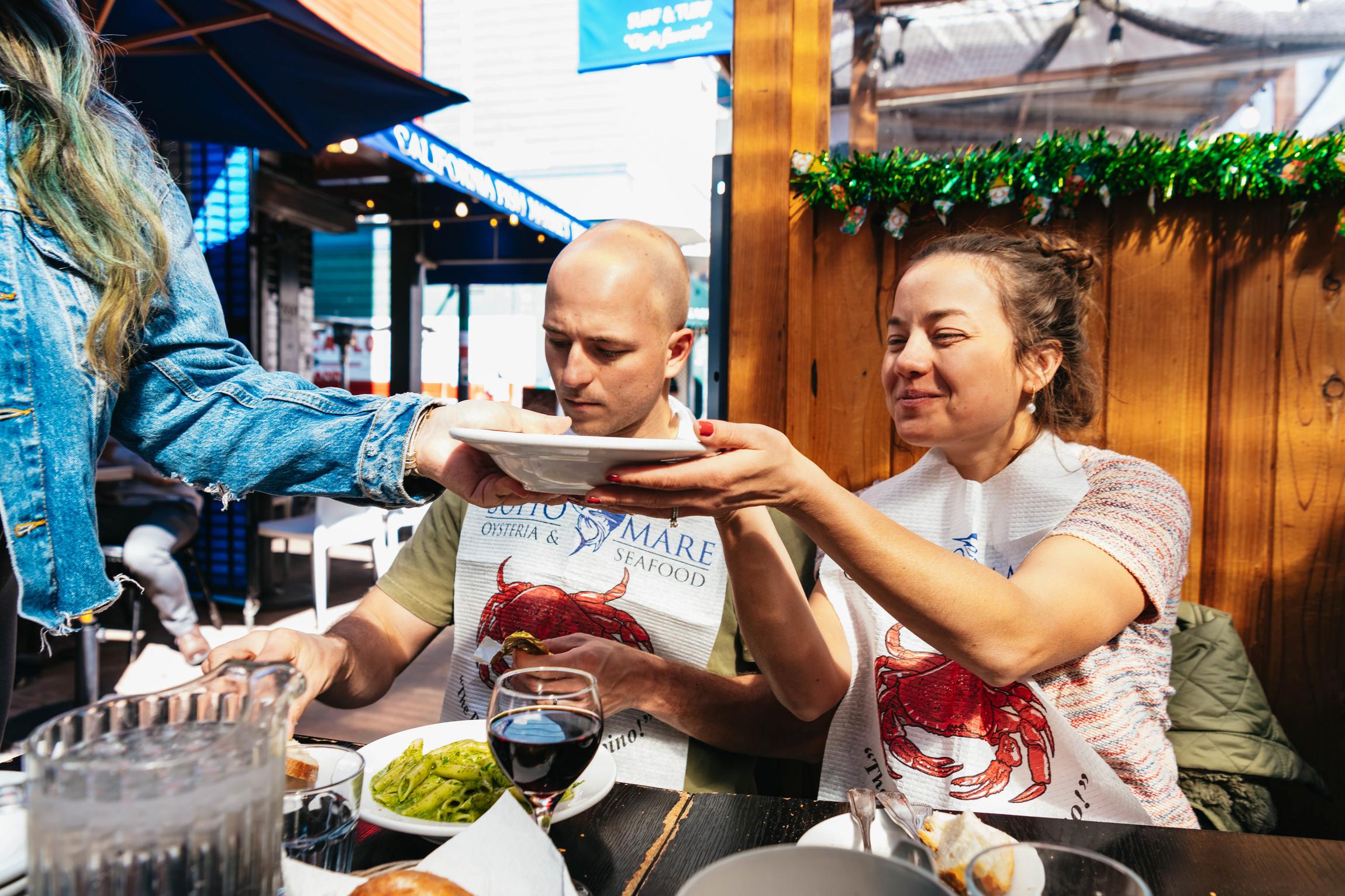
Renowned for fresh Dungeness crab and local clam chowder served in sourdough bread bowls
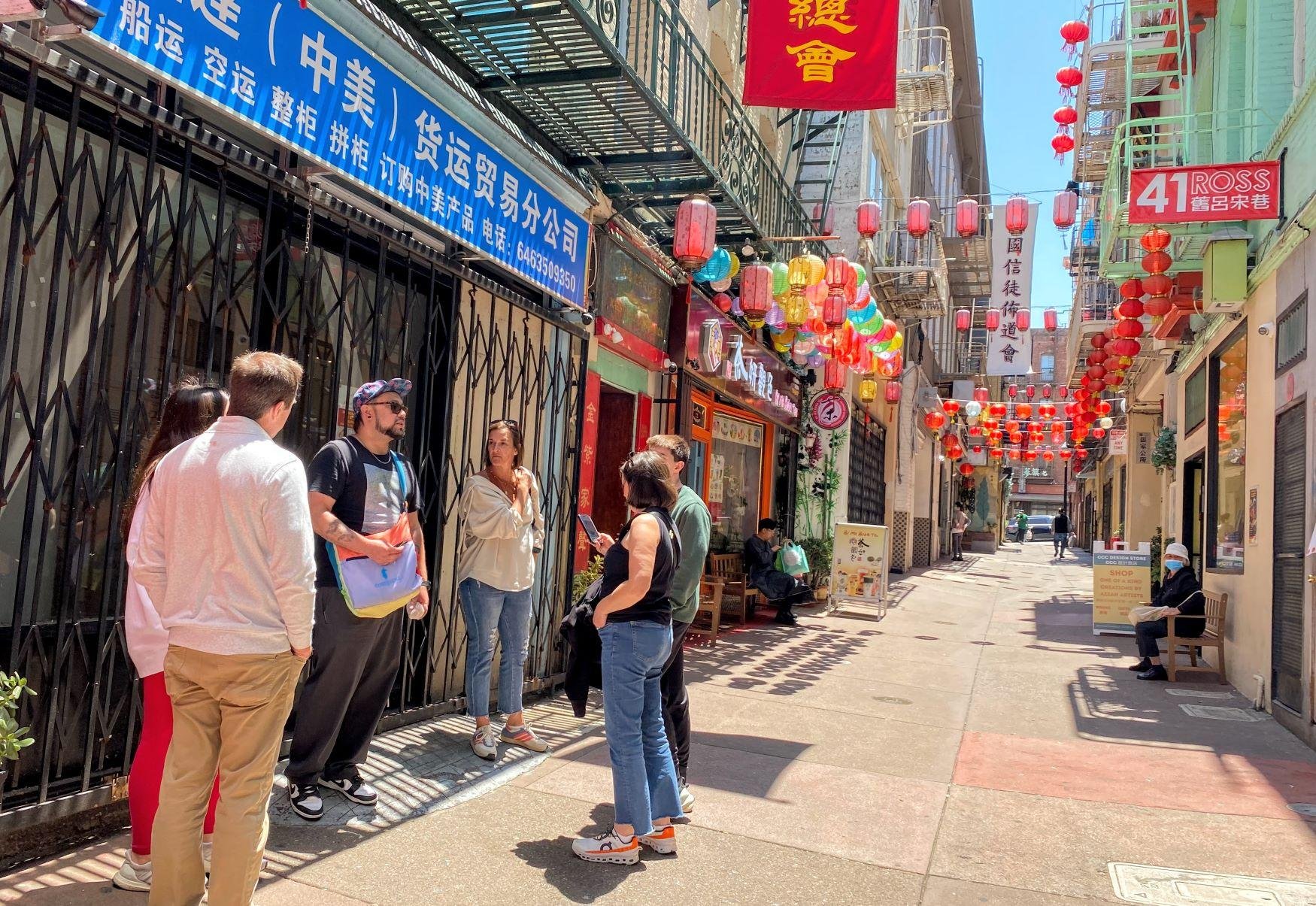
You meet your guide at a street corner in Chinatown, usually Portsmouth Square or the Dragon Gate, and within two blocks you are standing inside a dim sum house watching carts roll past, steam escaping from bamboo lids.
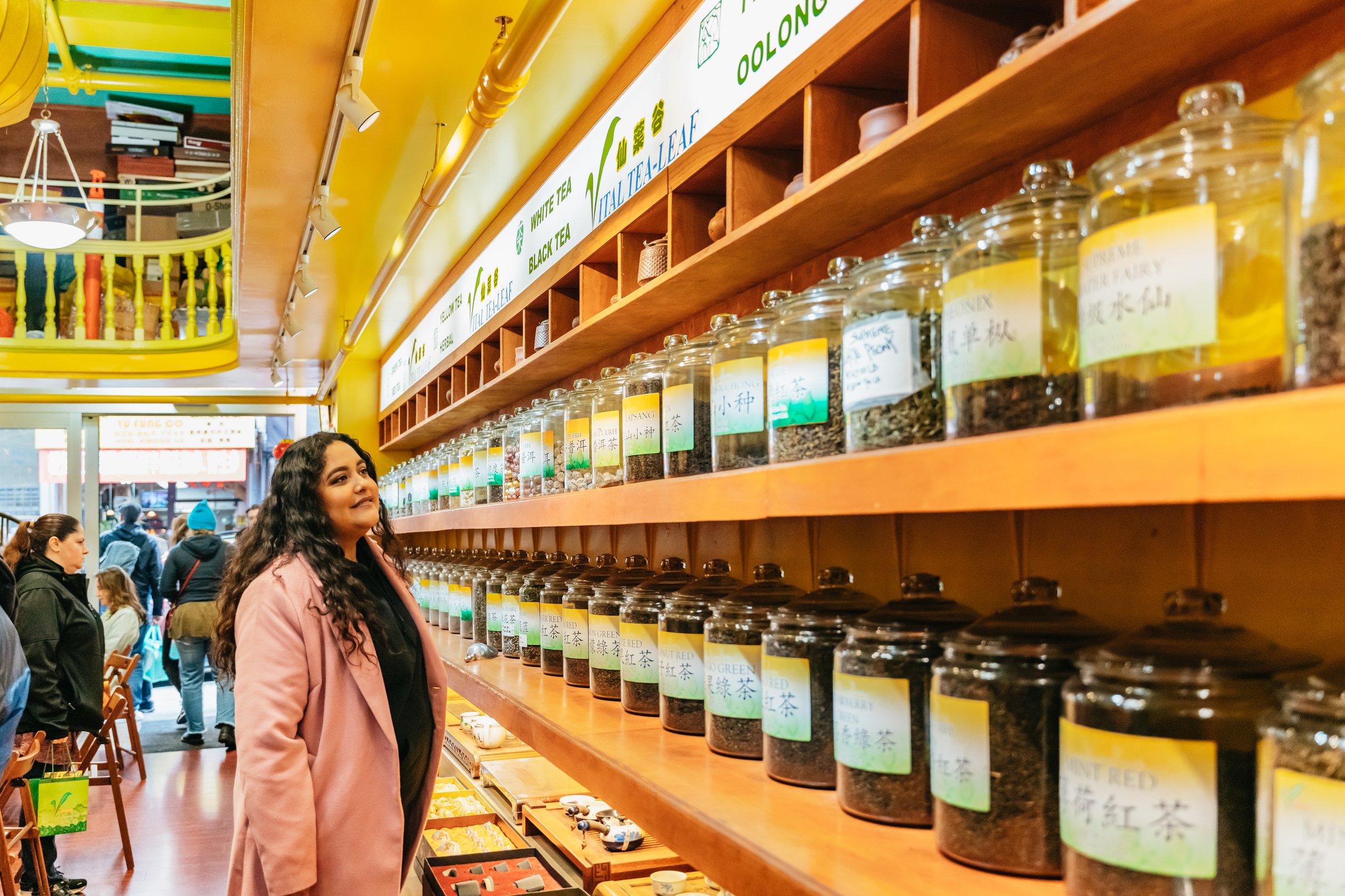
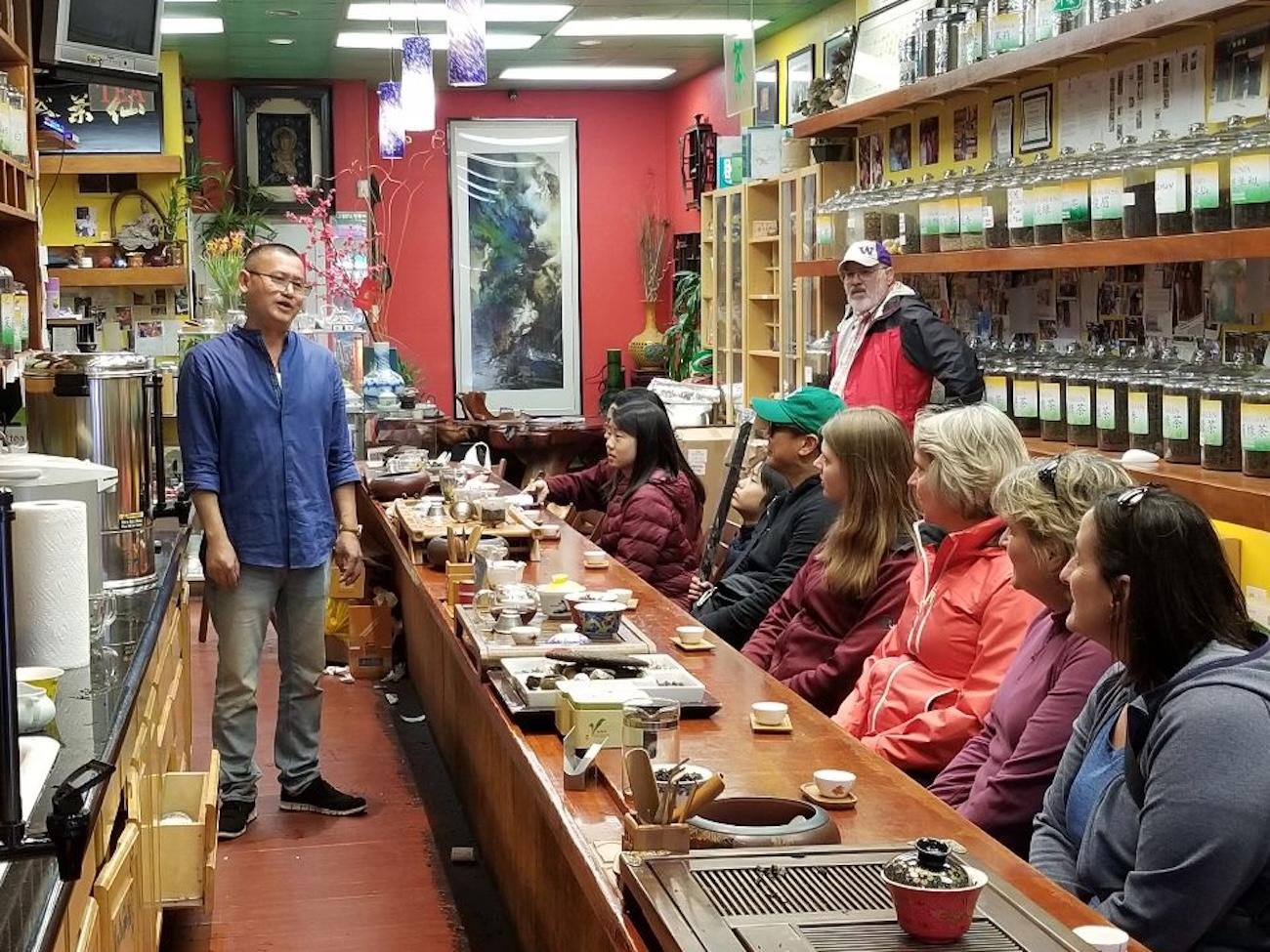
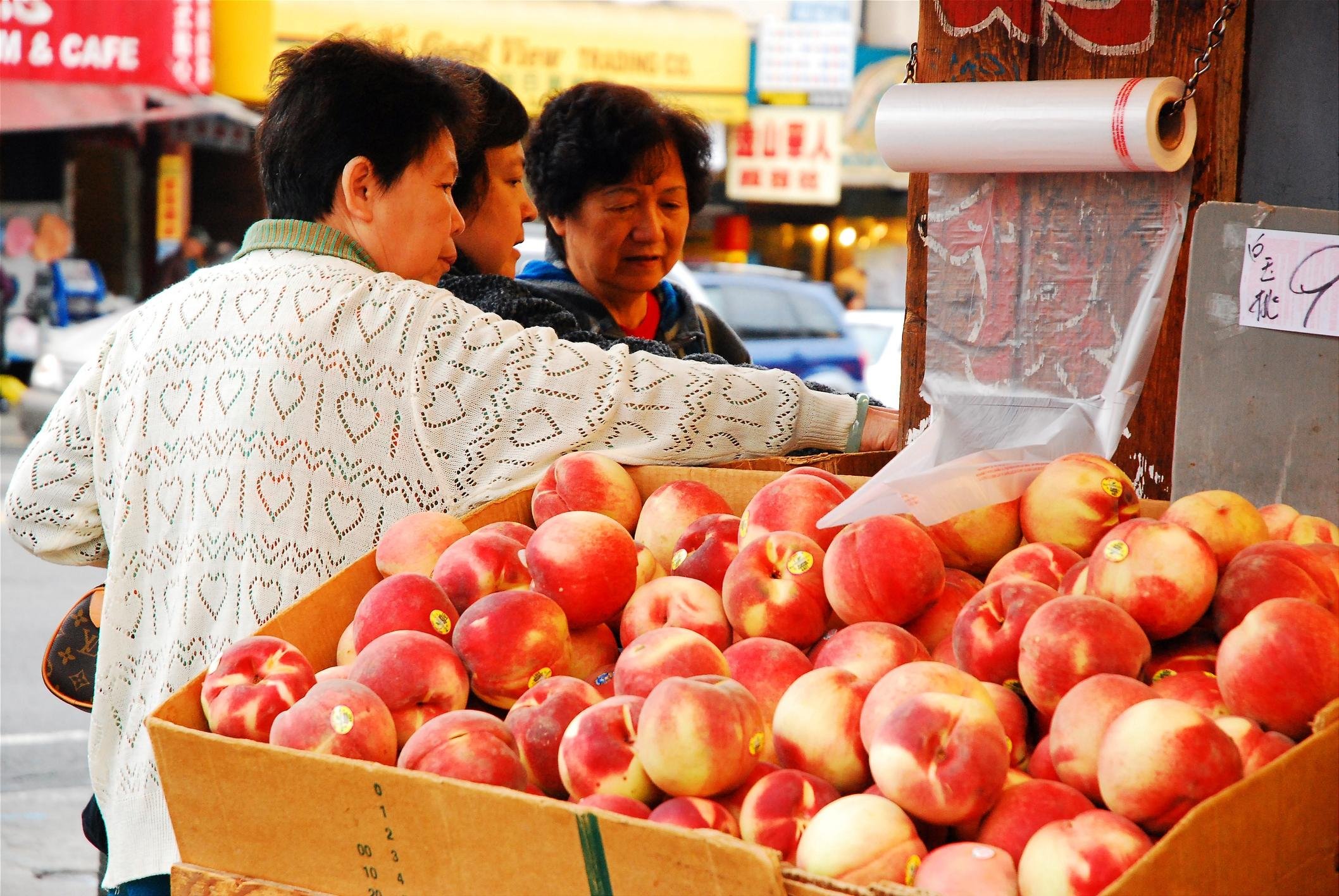
The guide orders in Cantonese and hands you a still-hot har gow, translucent skin taut over pink shrimp. You move through alleys barely wide enough for two people, past herbalists weighing dried ginseng on brass scales, into a bakery where egg tarts cool on wire racks. Each stop is a transaction and a lesson — you taste, the guide explains provenance, and you walk again.
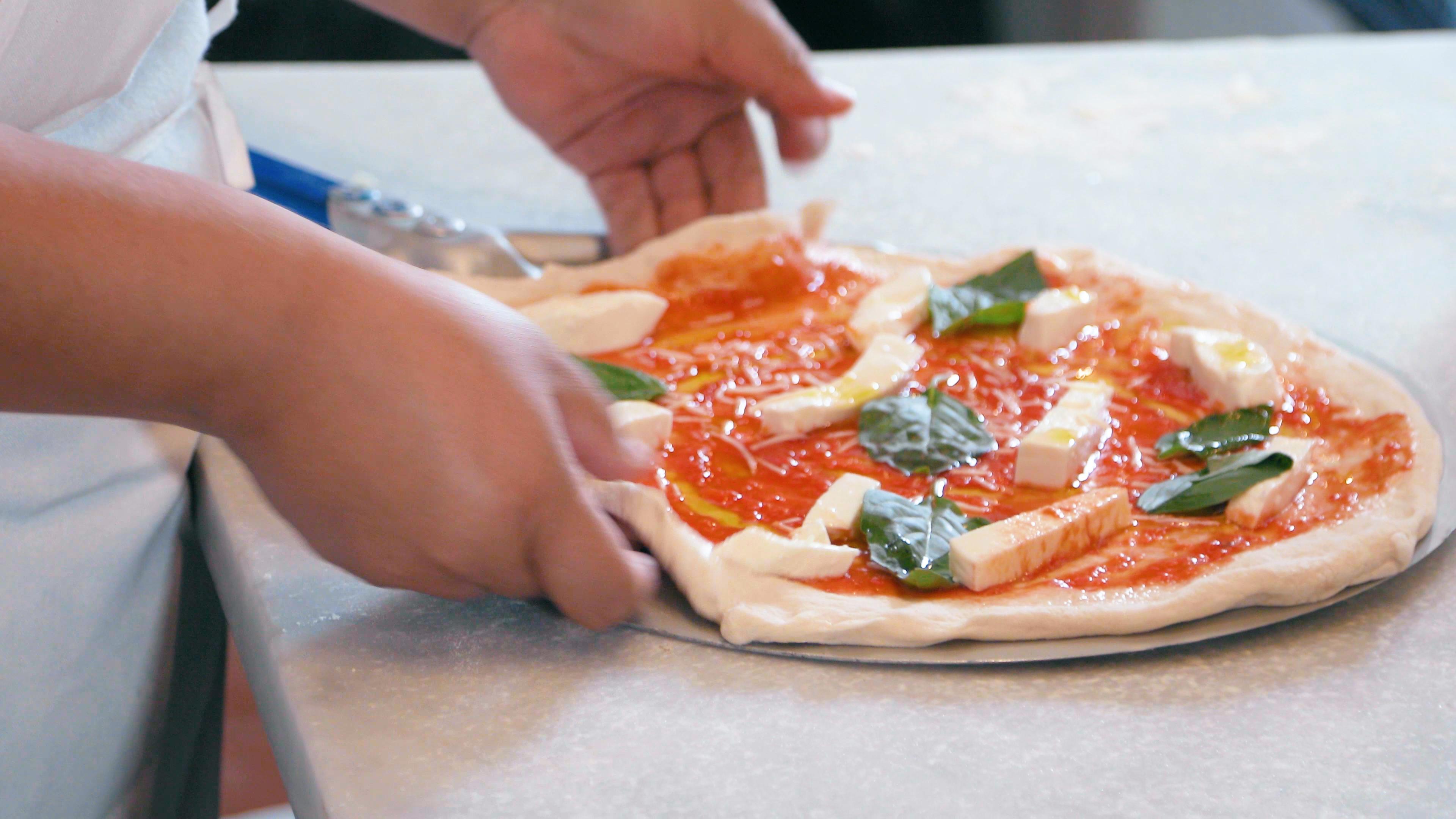
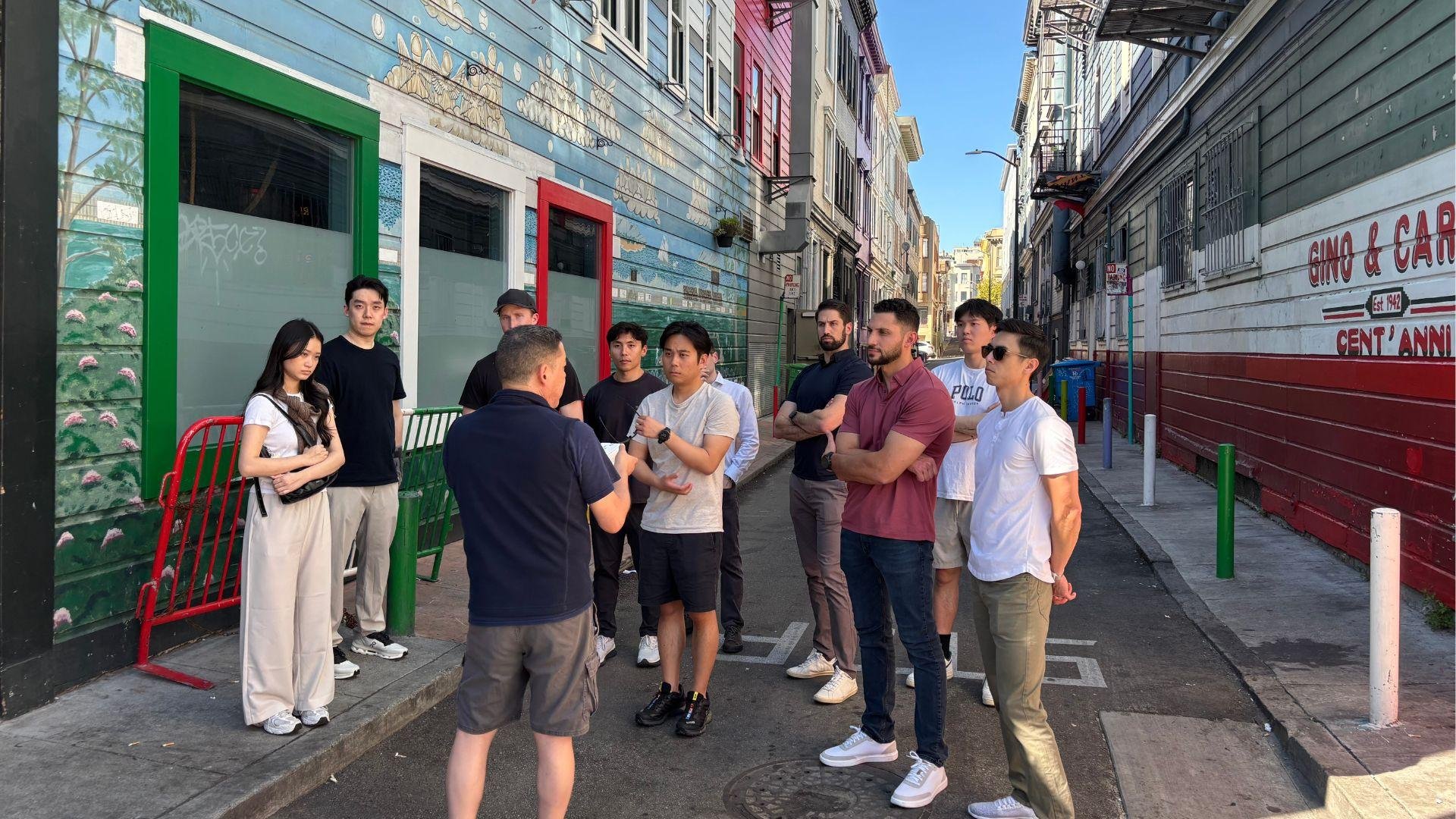
In North Beach, the route climbs toward Telegraph Hill, pausing at a salumeria where the owner slices mortadella thin enough to read through, then a caffè where espresso is pulled on a manual Faema lever machine. You eat focaccia still warm from the oven, its surface cratered with olive oil and sea salt. The guide points out the original storefronts, the ones that survived the 1989 earthquake and the dot-com boom, and you understand that this neighborhood food walk is also a preservation tour.
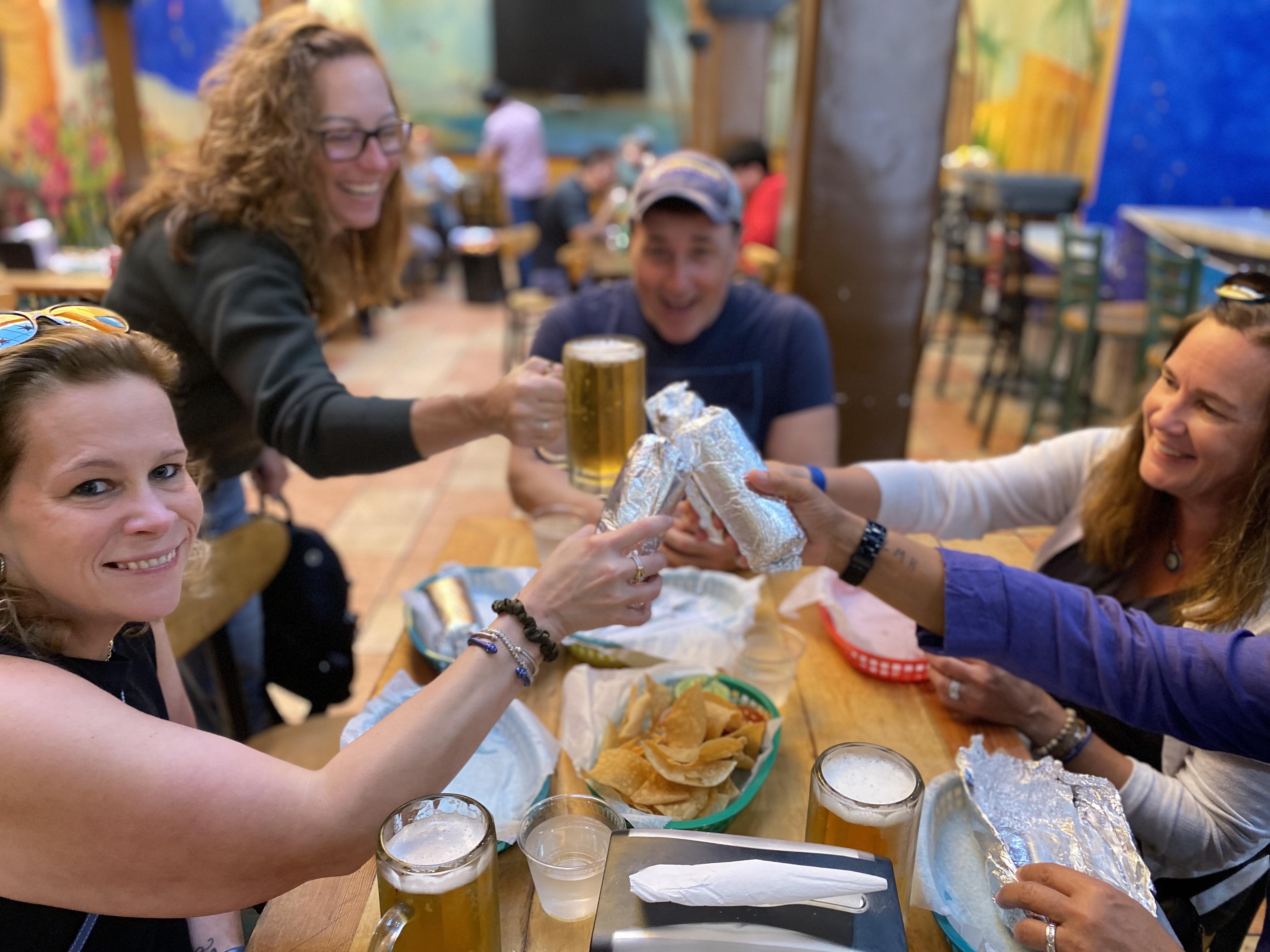
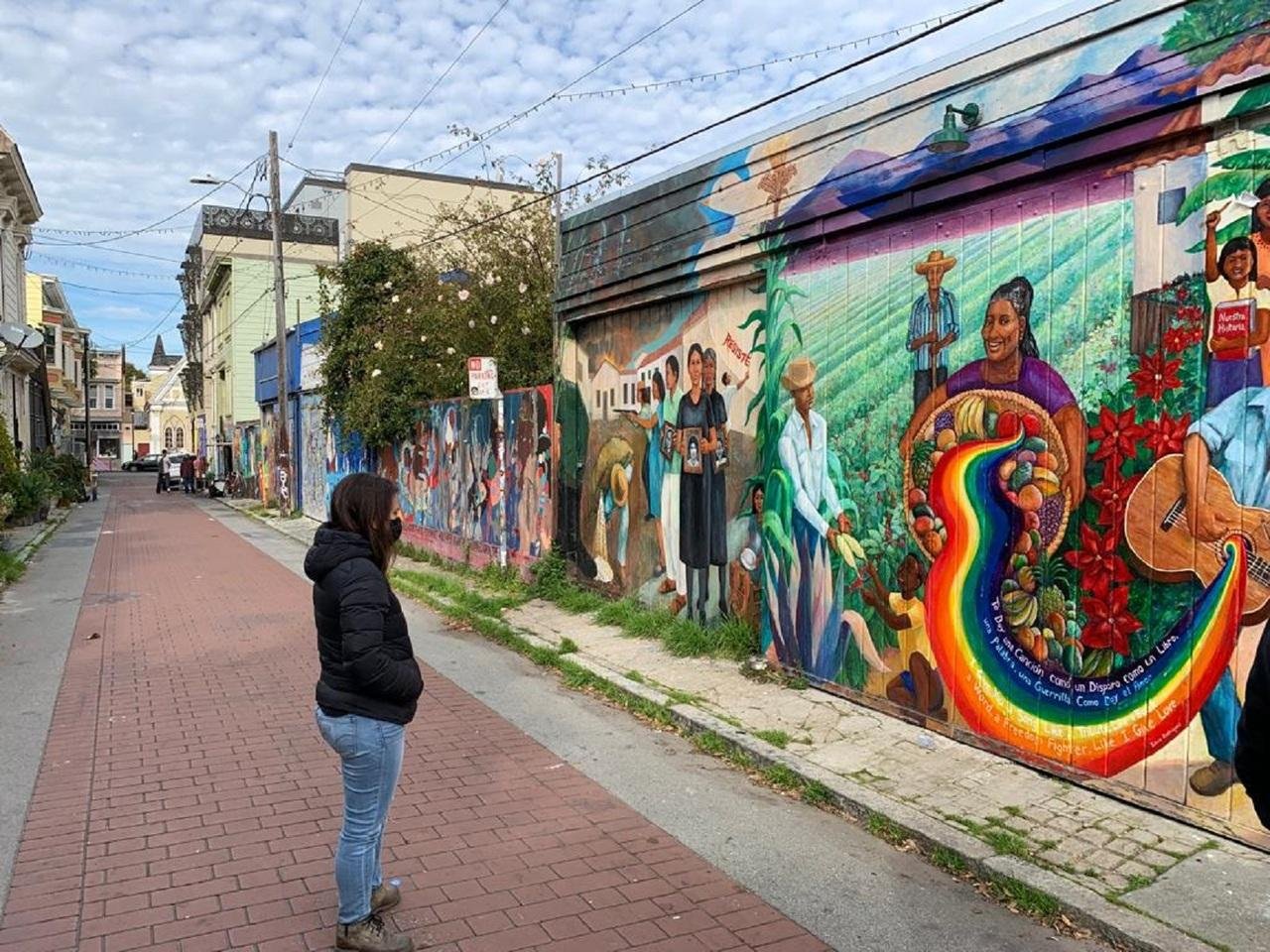
The Mission walk is louder, warmer, its murals bright even on foggy days. You stop at a taquería for carnitas, a panadería for conchas, a pupusería where the cook pats masa by hand. The guide knows the owners by name, and you leave with salsa stains on your fingers and a list of places to return to alone.
All the details about your upcoming adventure in one place
San Francisco's culinary geography was drawn in waves — Cantonese merchants arrived in the 1850s and built a self-sufficient enclave around Stockton Street, Italian fishermen settled the Telegraph Hill slopes a generation later, and Central American immigrants claimed the Mission's sun-warmed corridors in the 1960s.
Each district preserved its culinary codes: dim sum parlors that still hand-fold har gow at dawn, North Beach bakeries that proof focaccia in hundred-year-old wood-fired ovens, taquerías where masa is ground daily on volcanic stone. The city's forty-three hills forced neighborhoods into discrete pockets, and those pockets became pantries — self-contained systems of provisioning, cooking, and eating that resist homogenization even as tech capital floods the valleys between them.
A walking food tour San Francisco itinerary is not a restaurant crawl; it is a cross-section of living foodways, routes that connect family-run businesses with sidewalk economies older than most American cities. Chinatown's alleyways hide herbalists, tofu makers, and roast-meat vendors whose clientele still speaks Taishanese. North Beach remains an Italian-American stronghold, its caffè counters and salumerias anchored by third-generation proprietors who source mortadella from Emilia-Romagna and bake biscotti to century-old formulas. The Mission's twenty-fourth Street corridor is a gastronomic index of Latin America — Salvadoran pupuserías beside Oaxacan mole specialists, Nicaraguan fritanga carts next to Peruvian cevicherías. These are not themed reconstructions; they are working neighborhoods where food is infrastructure, and a walking food tour San Francisco route threads through the supply lines.
The city's microclimates shape what grows and what gets imported — fog-cooled coastal zones favor brassicas and lettuces, the Mission's inland warmth supports tomatoes and stone fruit, and the produce that cannot thrive here arrives through the Port of Oakland, sorted by language and kin networks into the stalls of Stockton Street or the mercados of Twenty-fourth. Guides on a San Francisco culinary walking tour decode this system in real time, pointing out the wholesale distributors tucked behind storefronts, the restaurant back doors where line cooks smoke between services, the bakery windows where you can watch dough sheeters and deck ovens do their work. The routes rarely exceed two miles, but they compress centuries of migration, adaptation, and taste memory into a single afternoon, punctuated by samples that function as both snack and syllabus — a steamed bao, a wedge of Parmigiano, a pupusa dripping curtido brine, each one a edible footnote to a longer story of arrival and persistence.
These are not themed reconstructions; they are working neighborhoods where food is infrastructure.
Wear comfortable walking shoes and layers, as the San Francisco climate can shift rapidly.
Keep belongings minimal as you navigate through crowded food markets and busy city streets.
Photography is generally encouraged at outdoor landmarks and public market areas.
Routes are typically designed for adults, though some operators offer private tours for families.
Some historic food venues may have limited wheelchair access due to older building architecture.
Most tours include multiple tastings; notify the operator of food allergies during booking.
Operating Hours
Closed (Private operator-dependent)
Address
San Francisco, CA, USA
Accessibility
Varies by route and establishment
Optimal Arrival
09:00–14:00
Navigation
Walking routes vary by neighborhood
Public transport · Variable · Varies
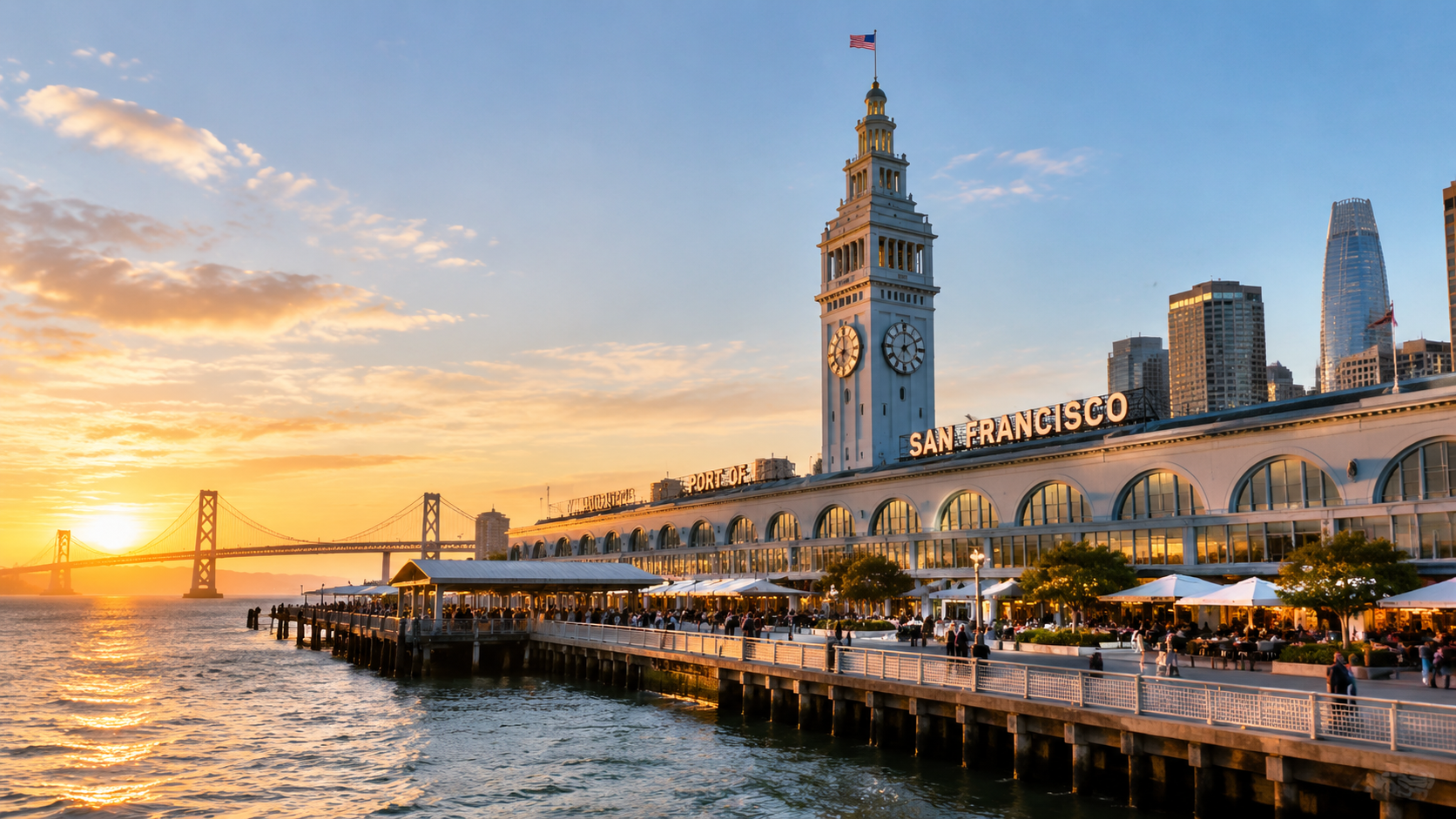
Use MUNI or BART to reach major meeting points like the Ferry Building.
Car · Variable · High costs
Parking is limited; use public garages near the neighborhood centers.
Cancellation policies are determined by the independent tour operator. Refer to your specific booking confirmation for refund eligibility.
Recommended time
2.5–4 hours
A typical walking food tour san francisco requires between 2.5 and 4 hours to navigate local eateries and markets properly. We recommend the best arrival window: 09:00–14:00 to ensure optimal service access during these San Francisco culinary excursions. Securing your walking food tour san francisco tickets early allows for a smoother pace, while busy lunch periods may increase wait times at popular neighborhood hotspots. This San Francisco foodie tour itinerary balances walking between stops with ample time to enjoy regional delicacies.
Crowd levels through the day
Weather · crowds · average price — dots go green to amber to red as each metric rises.
September and October offer the warmest temperatures for walking food tour san francisco tours.
Mild weather makes a walking food tour san francisco tour enjoyable for outdoor exploration.
Expect frequent fog, so dress in layers during your walking food tour san francisco trip.
Cooler temperatures require warm clothing while participating in a walking food tour san francisco.
Secure your walking food tour san francisco tickets early to guarantee availability.
Specify all allergies when you book a walking food tour san francisco.
San Francisco microclimates affect every walking food tour san francisco.
Standard tipping for a walking food tour san francisco guide is 15-20 percent.
Carry water during your walking food tour san francisco journey.
San Francisco's identity as a walking food tour destination traces directly to the Gold Rush of 1849, when fortune-seekers from Canton, Genoa, and Paris transformed a mud-flat settlement into a culinary crossroads. Chinese merchants established produce markets along Sacramento Street by 1850, while Italian fishermen claimed the North Beach waterfront and began selling cioppino from dockside stalls. The city's compact seven-by-seven-mile grid, rebuilt after the 1906 earthquake with mixed-use blocks, created the pedestrian density that modern culinary walking itineraries depend upon. By the 1920s, North Beach had become a Little Italy anchored by bakeries and salumerias, while the Mission District's taquerías—descendants of families who arrived during the Bracero Program—formed a corridor that walking food tour san francisco operators would later recognize as essential terrain. The contemporary walking food tour san francisco market emerged in the early 2000s, when local guides began formalizing routes through neighborhoods that had resisted chain homogenization. The Ferry Building's 2003 renovation into a permanent farmers' market gave tours a focal anchor, while the Slow Food movement's arrival in the Bay Area legitimized pedestrian food exploration as cultural practice rather than mere sampling. Chinatown's herbalist shops, North Beach's focaccia bakeries, and the Mission's paletería carts became fixed waypoints. The 2008 recession paradoxically strengthened the sector; laid-off culinary professionals launched independent tour companies that emphasized artisan producers over restaurants, a model that proved resilient through the pandemic closures of 2020–2021. Today's routes still follow the original nineteenth-century market corridors, now layered with third-wave coffee roasters, natural wine bars, and dim sum parlors that open as early as nine in the morning to accommodate guided groups moving through the city's edible legacy.
Gold Rush transforms San Francisco into a multicultural port, establishing the foundations for Chinese, Italian, and Latin American food corridors.
Earthquake and fire destroy the city; reconstruction creates the dense, walkable grid that supports modern culinary walking itineraries.
North Beach consolidates as Little Italy; bakeries, delis, and coffee roasters form a pedestrian-friendly commercial district.
Mission District taquerías proliferate as Central American immigration accelerates, creating a distinct edible geography.
Ferry Building reopens as a curated marketplace, providing walking food tour tours with a permanent anchor point for artisan producers.
Independent guides formalize neighborhood walking food tour san francisco routes, emphasizing local history and small-batch vendors.
Pandemic forces adaptation; outdoor tastings and grab-and-go formats replace sit-down stops, reshaping tour logistics.
Routes expand to include third-wave roasters, natural wine shops, and early-morning dim sum halls catering to scheduled group arrivals.
Stand near the central nave to capture the bustling artisanal stalls and natural light flooding through the glass roof during your walking food tour san francisco.
Exploring the city through a walking food tour san francisco offers families a unique way to taste local flavors while navigating urban neighborhoods. These culinary-specific itineraries provide an engaging experience for children who enjoy trying new ingredients at various markets.
Expect a moderate amount of walking between eateries, so confirm your group can handle the distance before booking your walking food tour san francisco tour. The best arrival window is 09:00–14:00 to ensure you hit the peak activity levels of local vendors.
Menus focus on authentic regional bites, which may vary from standard children's favorites. Check specific walking food tour san francisco tours for dietary accommodations if your child has selective tastes.
School-aged children typically fare better than toddlers, as the pace requires sustained interest in historical landmarks and complex dishes. Older kids often enjoy the chance to sample items like artisanal sourdough or fresh seafood.
Public restrooms are not always immediately available during street-level excursions. Plan to use facilities at each stop where you secure walking food tour san francisco tickets, as private operators may have limited access to secondary venues.
Exploring local eateries is best achieved by joining a walking food tour san francisco to navigate the diverse culinary landscape. Visitors can find several iconic markets and independent kitchens within a short walk of the primary hubs in San Francisco, CA, USA.
Located at the Ferry Building, this spot offers fresh shellfish and clam chowder with views of the bay. It is a popular stop for those seeking high-quality local ingredients on a walking food tour san francisco tour.
Famous for traditional egg tarts that frequently sell out, this small shop is a classic stop for sweet treats. Arrive early to secure these pastries during your walking food tour san francisco tickets experience.
A long-standing institution known for its counter seating and fresh crab, ideal for food enthusiasts. It remains a highlight for participants on various walking food tour san francisco tours.
Everything you need to know for your journey
Most walking food tour san francisco options are geared toward adults, but private family tours may be available.
It is recommended to buy walking food tour san francisco tickets in advance as tours often sell out.
Accessibility varies; check the specific route details before purchasing walking food tour san francisco tickets.
Bring comfortable walking shoes and a jacket for a walking food tour san francisco.
Most operators accommodate dietary needs; mention them when booking your walking food tour san francisco.
A typical walking food tour san francisco lasts between 2 to 4 hours.
Arrive within the 09:00–14:00 window, ensuring you are ready for your walking food tour san francisco start time.
Pets are generally not permitted on any walking food tour san francisco.
Yes, photography is permitted at most landmarks visited during a walking food tour san francisco.
A prominent skyscraper in the Financial District.
Historic tower offering views of the city.
A historic square in North Beach.
Features the technology behind the city system.
Iconic historic hotel atop Nob Hill.
Modern hotel near Union Square.
Neighborhood known for Italian heritage.
Waterfront area with many hotels.
Join thousands of happy travelers who have discovered this incredible experience
Book Your Experience Now